Renny Jackson's Letter to a Young Alpine Rescue Technician
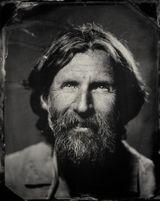

(I very much recommend listening to Renny read his essay. I worked for Renny in the Tetons for many years. - Drew)
When I was in my early twenties and trying to figure out what to do with my life, I made a few climbing trips to the Tetons. Friends told me about this job at Jenny Lake where you could actually get paid to go climbing- I was skeptical, after all this was the government! Fifty years later, with 34 years of rangering behind me at Grand Teton and Denali, what would I say to a young person today contemplating a similar career path?
First of all, if it’s a climbing ranger job that interests you, the best piece of advice that I could give you is: Go Climbing! Become as good and as well-rounded a climber as you can be! Learn how to rock climb: the Valley, the Creek, the Black, the Sierras, the Rockies, the City, Red Rocks, Cochise, and so many others…learn how to trad climb, go bouldering, clip bolts and get strong, go ice climbing (Hyalite, Cody, Provo Canyon), when you’re ready, venture into the Alaska Range, climb big walls in Yosemite and Zion. Go alpine climbing and become comfortable with less-than-ideal conditions! Figure out a snow sport and get after it- split boarding or skiing will make winter ascents of peaks and technical routes possible. Plus, you get to ride and ski pow! Figure out a way to support yourself while having all of this fun- the tricky part, for sure!
If you know where you might want to work, try and get out with the folks that are already out there doing the job that you want- chances are these people may have input with the ones who are doing the actual hiring. Some of these work groups have internships that may provide a faster track in for you and afford you the opportunity to examine for yourself what the job entails.
Ok, so you now are a competent climber and a reasonably seasoned alpinist, and for some reason known only to you, you are still interested in one of these significantly underpaid government jobs- congrats! Most of them have a rescue and emergency medical services component. Technical rescue training will come with the job, but you will need to invest in some sort of medical certification, like a Wilderness First Responder course.
So, after having become a competent alpinist, obtained some type of emergency medical training and then, having waded through the government’s totally absurd application process successfully, suddenly, a job offer comes along!
Here are a few considerations:
1) Upon accepting the job, you will become a member of an organization larger than yourself, a team, and the team will be able to accomplish amazing things- like saving lives! You will join a group of like-minded individuals, some of whom will be close friends for the rest of your life. Learn to embrace compassion and realize that you are simply part of that team. Letting go of your ego, a persistent challenge, will enable this. Through a collective effort the team will be able to literally snatch critically injured people from exposed situations and under harsh conditions time and time again. Your reward, as a member of the team, will be unmatched feelings of euphoria and satisfaction!
2) The rescue work will have an impact on your climbing. In some ways it will be positive- you will see how mistakes are made while climbing and you will graphically see what the consequences are. Learn all the lessons well and you will become a safer climber and alpinist. Many folks enjoy the techy side of rescue work, but I still maintain that being comfortable in the alpine environment through climbing as much as possible will keep you alive.
3) There is a very dark side to this type of work, of course. You will encounter unimaginable grief- parents losing a child, wives/husbands losing the loves of their lives, people experiencing tremendous loss. But you will be doing the vitally important work of bringing their loved ones back to them. Over time this will exact a significant toll-take care of yourself and reach out for help!
Get into the mountains as much as you can, for they have much to give. Enjoy interacting with visitors to the park, who may be setting out on their once-in-a-lifetime trip! It’s a good life and I wouldn’t trade it for anything!
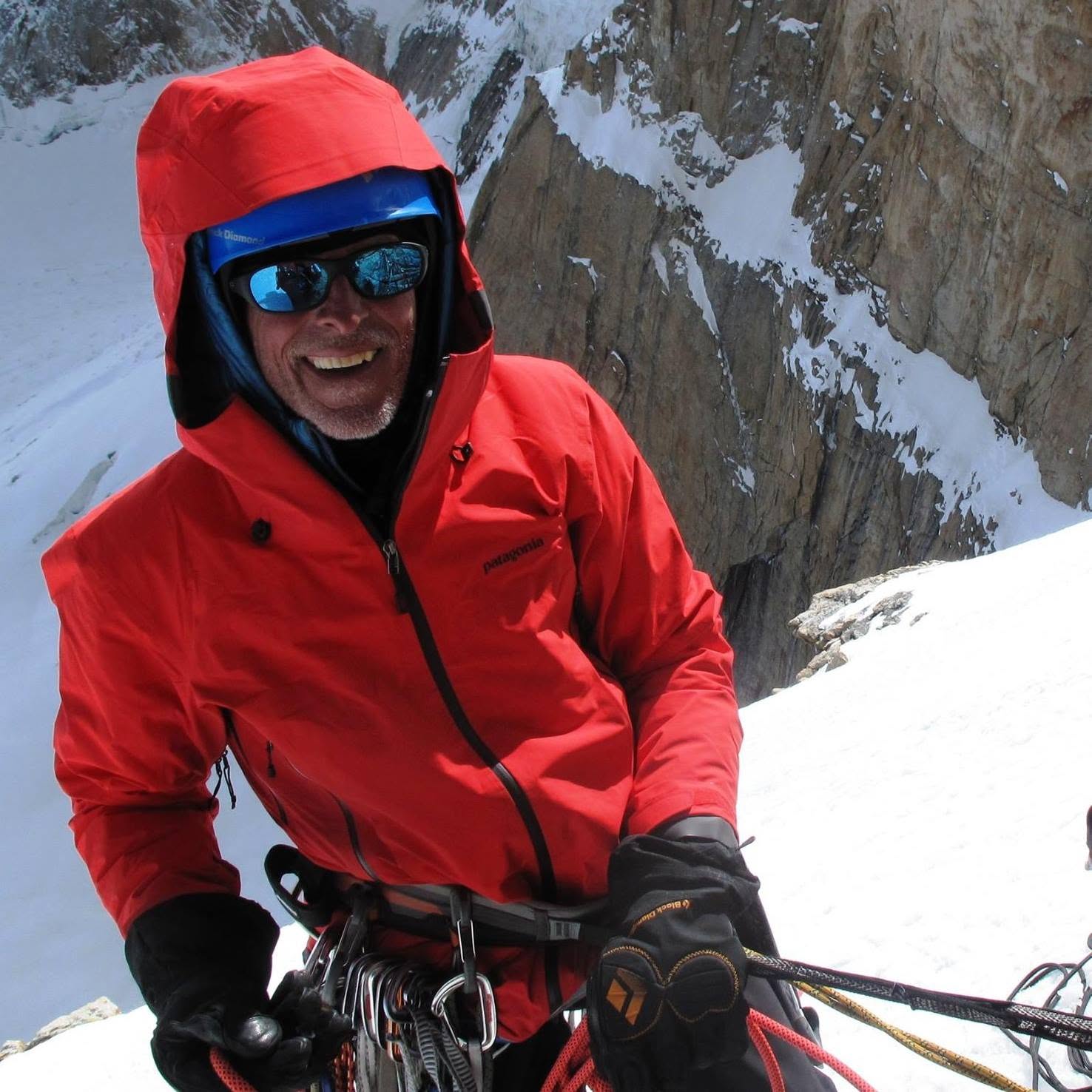
A climber with over 50 years of experience, Renny Jackson has participated in seven Himalayan climbing expeditions, including two on Mount Everest and the first ascent of the North Face of Cholatse in Nepal. He has served as an instructor at the Khumbu Climbing Center in Phortse, Nepal, for the Alex Lowe Charitable Foundation on three separate occasions. The recipient of three Department of the Interior Awards for Valor, Jackson worked as a climbing ranger for 34 years at Denali and Grand Teton National Parks before retiring in 2010. Post-retirement,
he guided for Exum Mountain Guides and ski patrolled at Jackson Hole Mountain
Resort for several years. He lives and writes in Kelly, Wyoming.