Laurie Delaney's Letter to a Young Highway Avalanche Forecaster
Letter to A Young Highway Avalanche Forecaster
Or
Some takeaways for newer forecasters from someone who’s been in the industry a few years but still has a lot to learn…
A ski patrol coworker and friend recently reminded me that my advice to him long ago was “stay humble”. I’ll stand by that. In all activities and endeavors, not least of all trying to forecast avalanches, I’ve been reminded of this time and again. The moment we start thinking we’ve got it figured out is the moment we let our guard down and expose ourselves to a reality check on how the environment doesn’t care how good we think we are. Those lessons are going to come no matter what, but starting with some humility can drive how we deal with it mentally after the fact.
When trying to make critical decisions it’s common to be bombarded by information, oftentimes conflicting. For good measure, throw in some loud opinions from sources who may or may not be reliable. It can be overwhelming. There can be a fear of making a wrong decision, but eventually a decision must be made. Do what you can to filter the noise and make the best choice, but make one. An analogy to river running: as the current pushes you towards an obstacle, you have to decide. Which route do you take? If fear of making the wrong move causes paralysis and no decision is made, you probably collide with the obstacle, which is usually detrimental. This is essentially just hoping for the best. It might pan out occasionally, but typically has a worse outcome than choosing a path and executing to the best of your ability. So make a decision. Even if it’s not the cleanest line, as long as you are actively engaging the situation there’s a way to navigate the problem.
Value times you were wrong and can actually track down why or how. If you had that niggling twinge that something wasn’t right just before it happened, try to remember that feeling and perhaps in the future it won’t be overlooked. Beyond that, inevitably we all misread a situation or are taught a lesson by mother nature. Prepare to react to those times when things go wrong. Feeling and being prepared to deal with unexpected changes in circumstances will also help with fear of making difficult decisions.
Listen to advice from trusted sources, even if it’s not what you want to hear (and probably especially then). Value those people’s experiences and strengths. What they know that you don’t doesn’t diminish you individually but instead adds depth to decisions and strengthens a team. It can be hard, but leaving ego out of these equations typically allows for a greater wealth of knowledge sharing and overall better decision making.
Foster good relationships: forecasters are just a fraction of the equation. Standing alongside all avalanche workers are the people necessary to successfully enact any forecasting decision. They provide the equipment and outside expertise that we don’t necessarily have, and without buy-in and support from these people (along with their skill sets) a forecaster alone often doesn’t amount to much. They might be maintenance workers, snowcat drivers, helicopter pilots, electricians … the list goes on forever. Even if your personal views about the world are wildly different, respect the importance and contributions of these individuals and find a way to relate and build trust.
Pay attention to the environment every time you interact with it. This is seemingly obvious but can be difficult to put into practice. It takes vigilance. Liam Fitzgerald gave me this advice when I first started with UDOT, telling me that the moment I walked out of the door in the morning I needed to be ready to absorb what was happening with the weather and the snow. This might mean pushing a hand into an isothermal snowbank along a pathway, noting a density change while clearing snow from a truck, observing storm snow layering while digging out a gate or feeling a change of humidity in the air. Every part of the journey to work; the walk to the vehicle, the drive, the wallow to the study plot, every seemingly insignificant task was part of the assignment. Try to repeat it during every task of every day of every winter, and eventually the paying attention part becomes second nature and you might be attuned, just a little more than before, to what the environment is telling you... I can’t claim that I’m the best student, but I have found that these things give me a sense of what’s out there on a larger scale.
At the end of the day, we all have to live with our decisions. As long as you strive to do everything to the utmost of your ability, don't skip any steps and make the best decisions you think are possible with the information you were given, even if the outcome isn’t always what you want, you can live with it.
“It is not the critic who counts; not the man who points out how the strong man stumbles, or where the doer of deeds could have done them better. The credit belongs to the man who is actually in the arena…” - Teddy Roosevelt
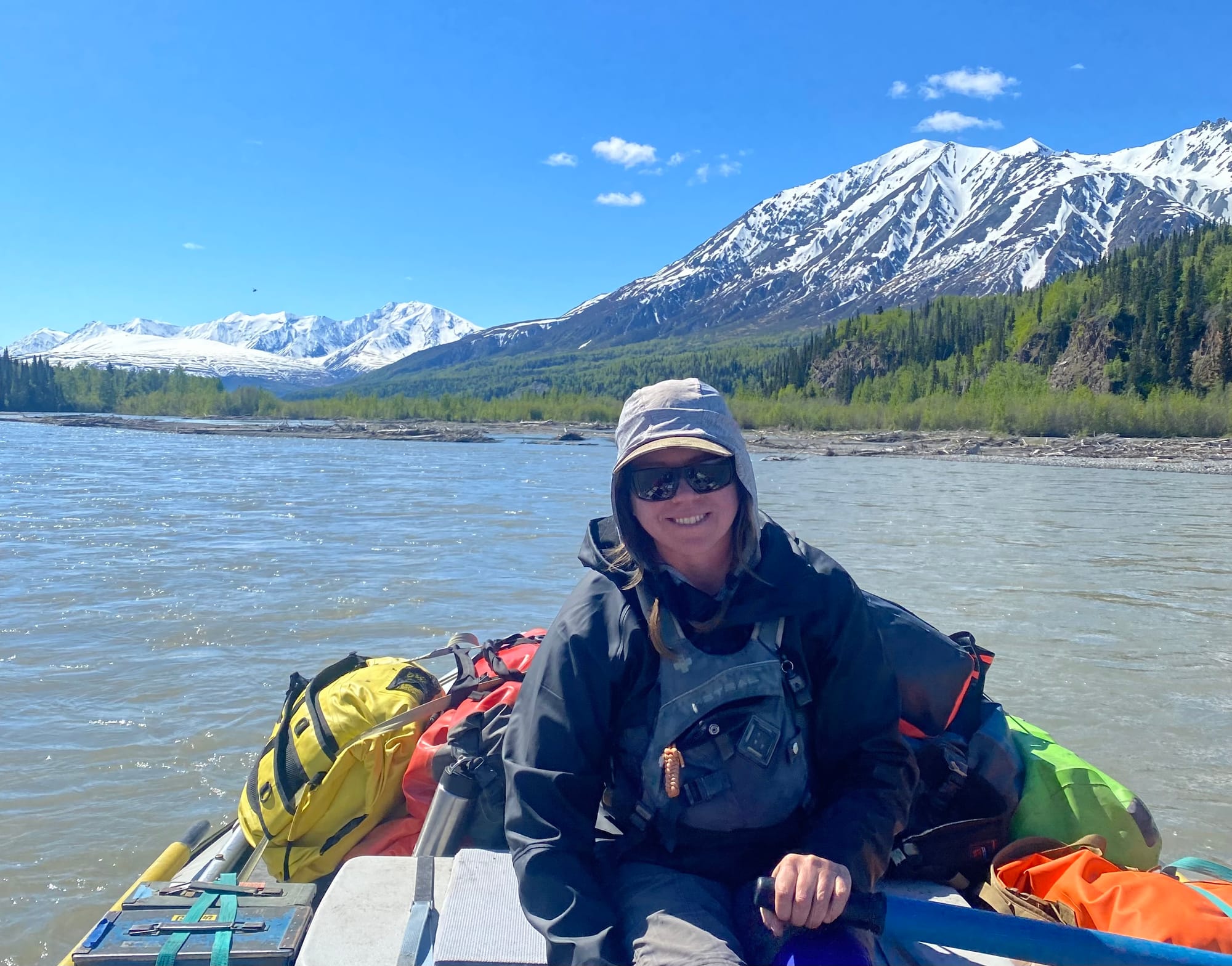
Laurie Delaney began working in the snow and avalanche industry in 2008 as a Snowbird Ski Patroller. She then transitioned to working with the Utah Department of Transportation as a roadway avalanche forecaster in 2013, and is now the supervisor of the UDOT avalanche forecasting team for Highway 210 in Little Cottonwood Canyon.