Experience: If It Doesn’t Kill You, It Might Just Save Your Life

Another essay by my pal Chrissie Oken. She's a climbing ranger in Denali National Park
There is nothing quite like the exquisite stupidity that comes with experience.
The same ease that allows us to function smoothly after years of repetition can also slip us into surprisingly dangerous situations that a novice may have avoided. Novices often exist in a more nervous frame of mind that comes with inexperience, and may feel the raw sense of constant danger that comes from being in new situations that you were just trained for.
The same things that make me good at my job have also led me to sandbagging the crap out of myself. I can look at a topo map and, without taking any measurements, know that it is a route I can do within a given amount of time. Then, I get on the ground and it turns out that, yes, that route was doable, but it sure is much more tedious than I would have liked…but I have the tools to get myself through it and the suffering will make a great story later.
Or, since as a rescue professional my gear is always reliably in order and ready to grab when I need to sprint out the door to respond to an emergency, sometimes I may get into the field and discover that yes, it was mostly reliably in order but was missing one kind of crucial piece that I will now have to figure out how to operate without. This happened to one of my friends recently, after he got into the field for a two-week mountaineering expedition. He is also, ostensibly, a mountain professional, yet somehow, had forgotten one small piece of gear: the fuel bottle needed to pressurize his cooking gas so that his stove would work.
This is the problem with existing in a space where you know you are organized and on top of it all the time: it becomes that much more surprising when you’re not and the consequences come to bite you.
And then sometimes, the consequences are more serious. What started out as a run of the mill scouting trip by two seasoned professionals results in a hazard that was vastly underestimated, and a non-emergent situation is suddenly an emergency.
But the flip side of this coin of experience, of course, is that it allows us to act and respond appropriately without thinking too hard about it. Your mind runs through a preordained neural pathway that you have built up over years of making decisions, and all of a sudden you are at a solution, perhaps the only solution, that will free you from your predicament. When you need to act without thinking, or running through checklists, or double-checking with people—the tools are already there at your disposal, because you have spent years building them. Intuitively, you know what needs to be done, and you make it happen. There doesn’t need to be a conversation about it, and a conversation would detract from the effectiveness of the action. “It wasn’t a conscious decision; I just did it.”
So how do we manage the dangers of experience? There is a middle ground that we should all strive for, somewhere between the heightened state of arousal and constant vigilance that we hold in new situations; and then the practiced ease and complacency that comes with doing the same job over and over again. Constant hypervigilance is exhausting and unsustainable. Complacency is deadly.
Go out and earn your experience, become better at your jobs, learn to do complex tasks without thinking too hard about them. But don’t forget to gaze out at the world, every once in a while, with the eyes of a novice. Don’t let dangerous situations become so commonplace that they catch you by surprise and kill you.
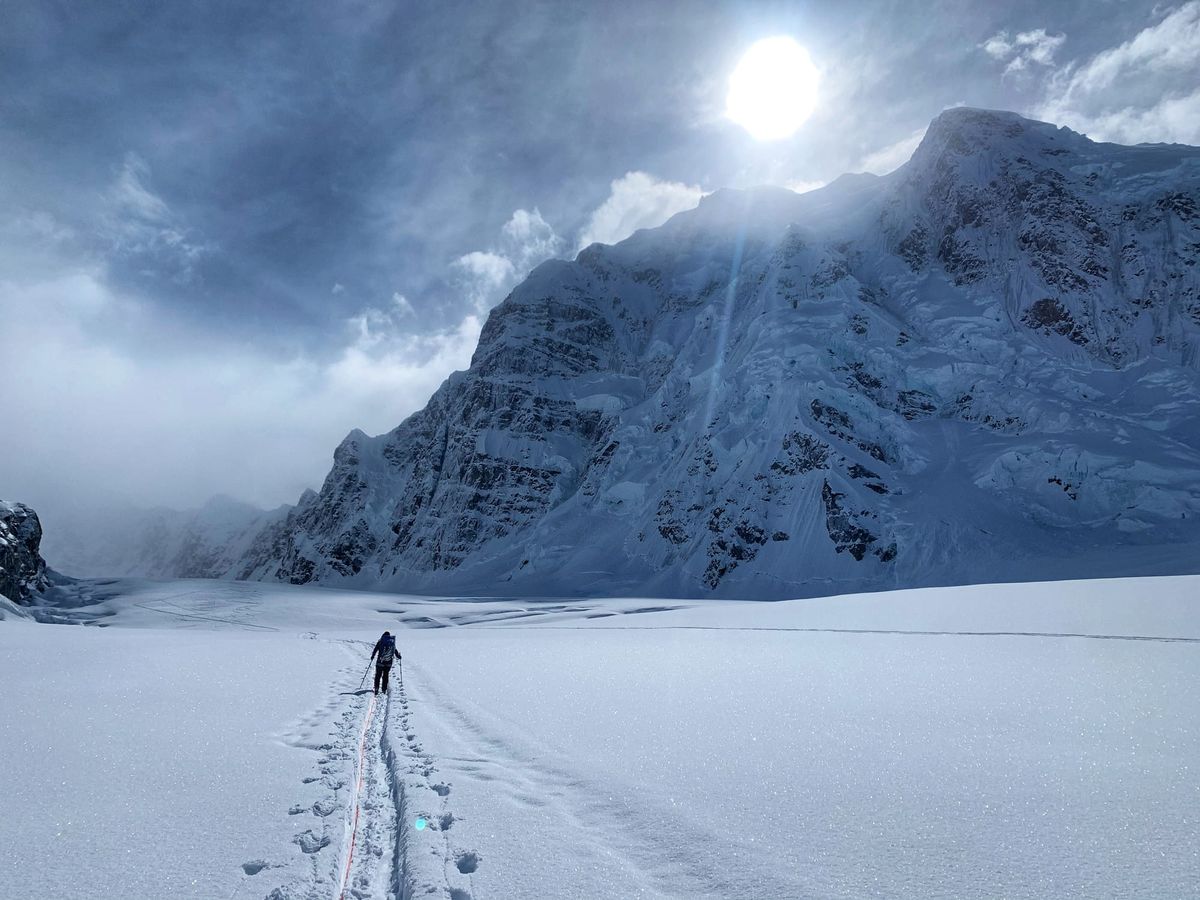
Top Photo: Southeast Fork of the Kahiltna, where most expeditions to the top of Denali begin. This piece of glacier sees people on every aspect of the spectrum of experience, from brand new to the best mountaineers in the world.
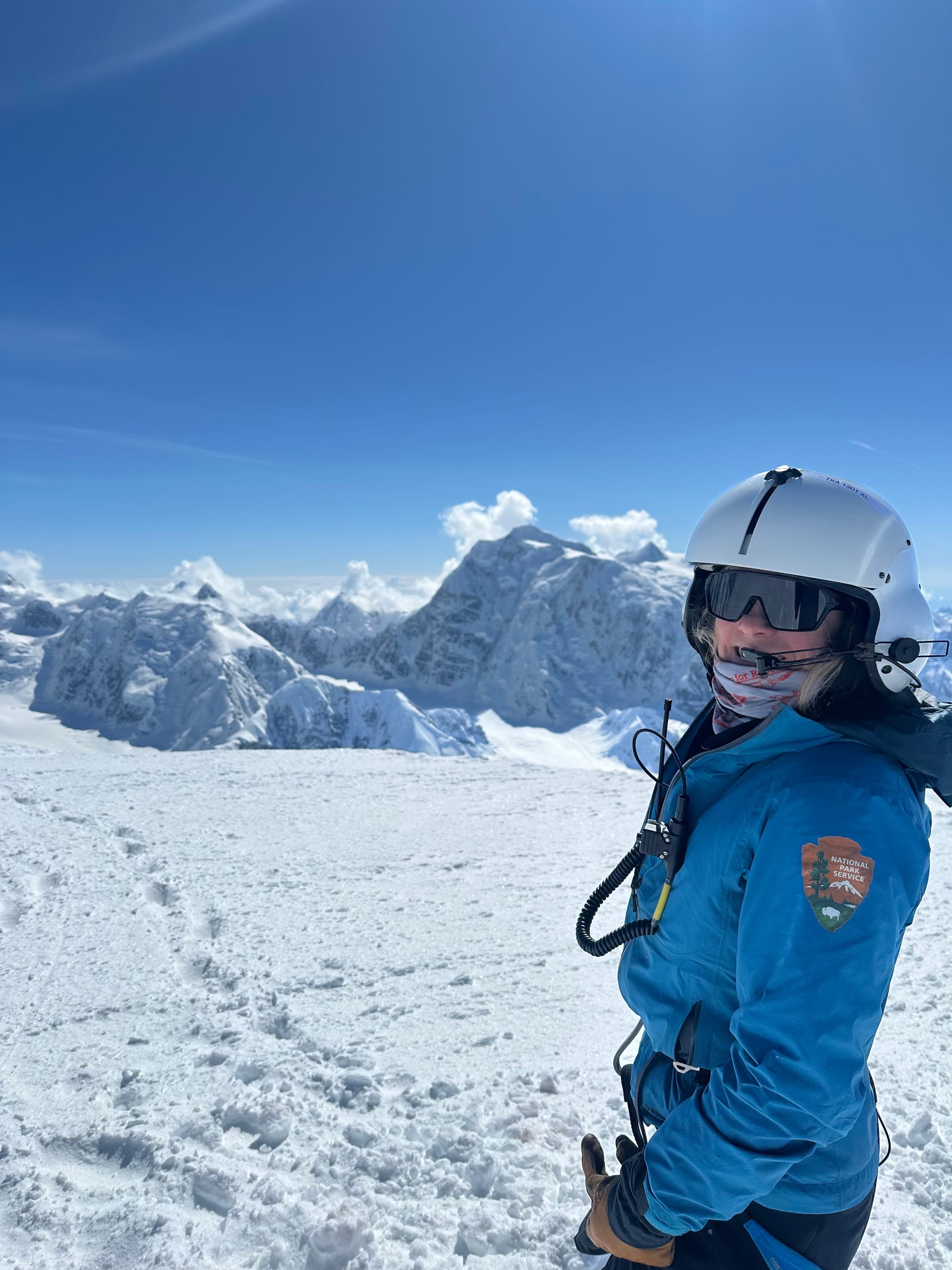
Lower Photo: On top of Mt. Crosson at 12,800’, after being deposited by helicopter. Working with helicopters is a good example of an activity that requires experience and exposure to do calmly and efficiently, but in which experience can build complacency and increase the danger of a given situation.