Letter from Shinya
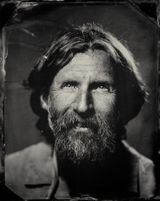
Mr. Hardesty,
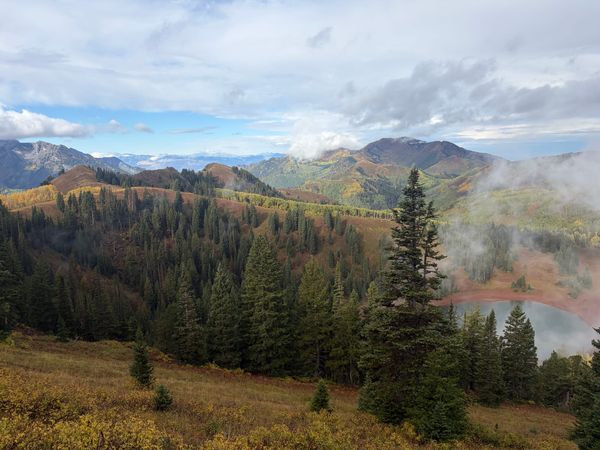
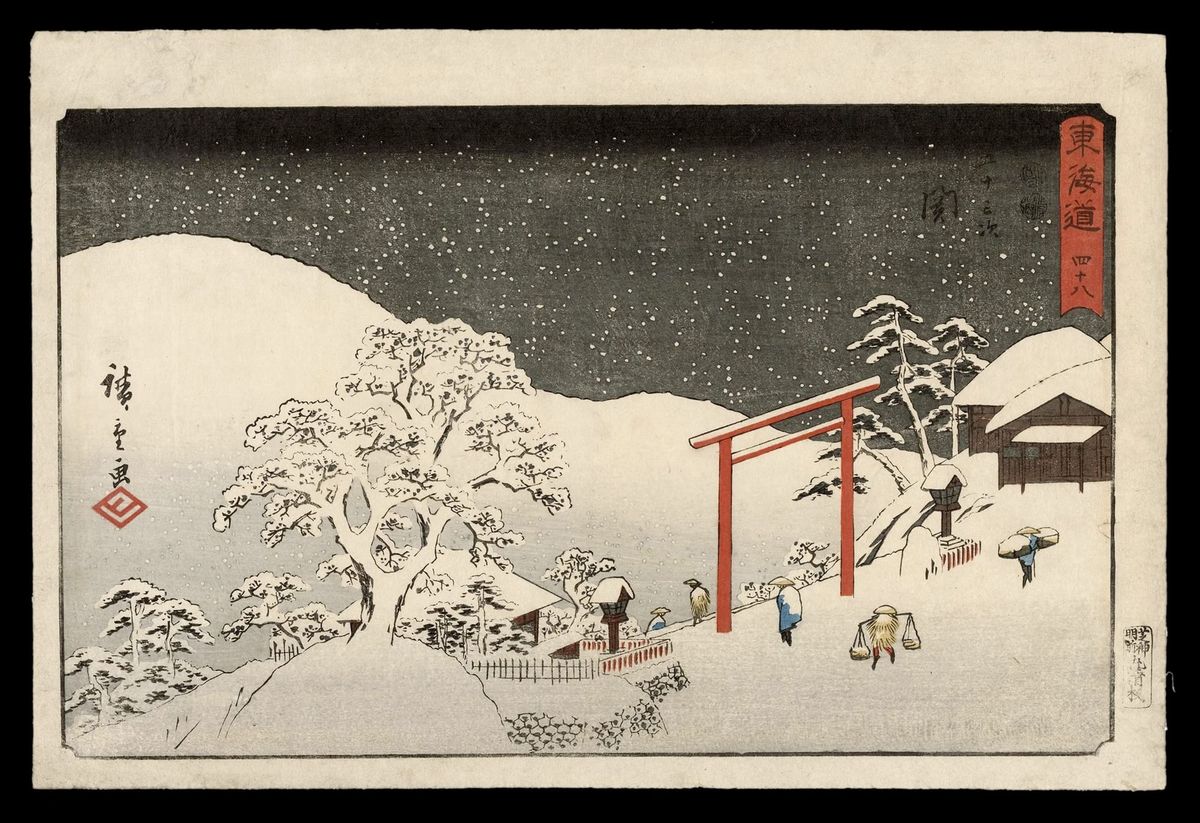
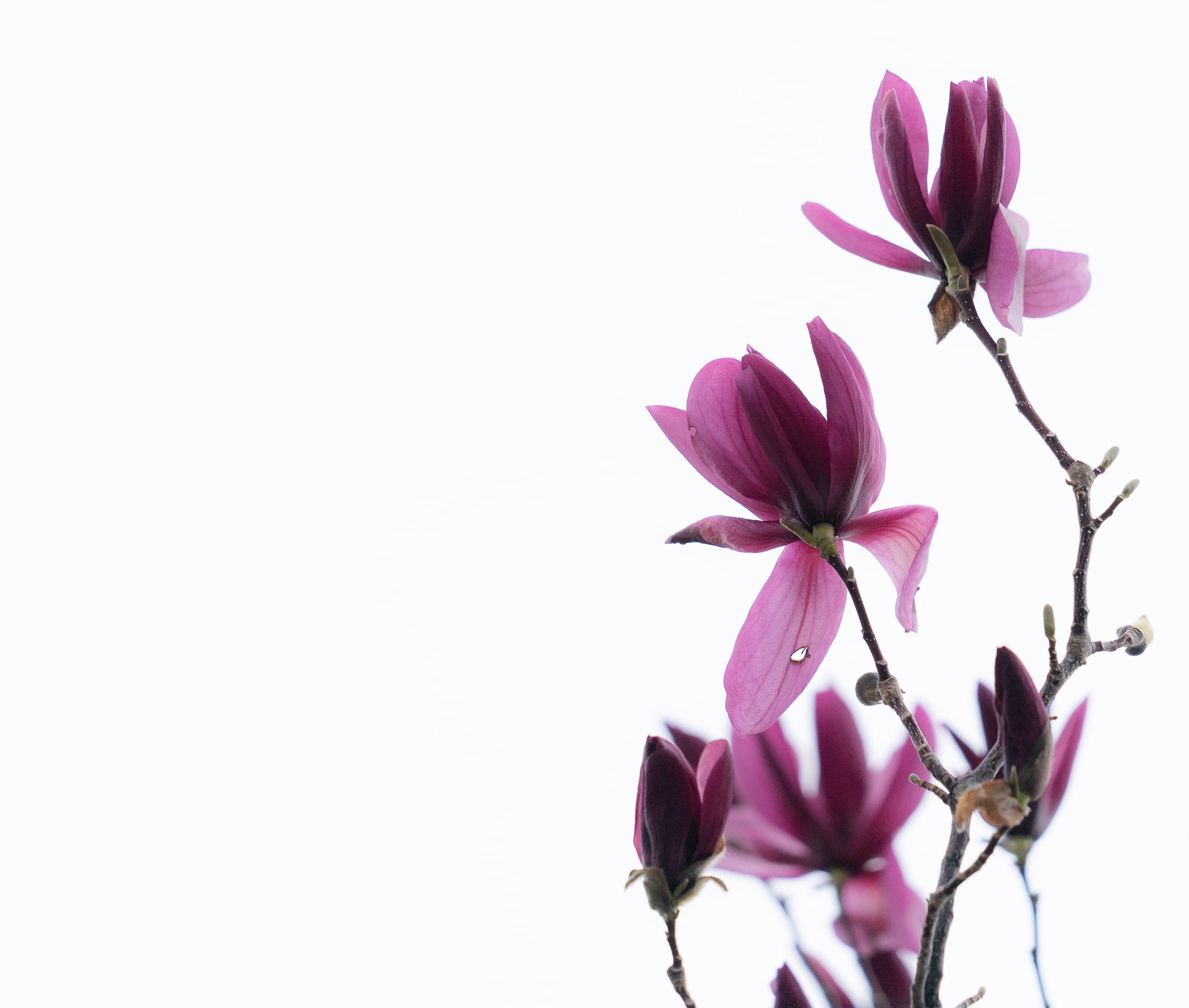
Patches of winter snow still linger above 1000m, while the mountains are covered in fresh greenery, with kobushi magnolias and wild cherry blossoms in bloom.
Just like the Wasatch Range, it is a beautiful season here.
The Niseko Avalanche Information was born out of sheer necessity. Forty years ago, Niseko had the highest number of avalanche accidents in Japan. Requested by the local town office, I went out on every search and rescue mission. Over time, I turned my focus toward accident prevention. I believed that, much like fire safety, prevention is paramount.
Niseko’s accidents always followed a specific pattern: they occurred during blizzards and severe weather. Drawing from my experience as a mountaineer, I approached accident prevention with this mindset. My bible was a book titled Avalanches, published by the U.S. Forest Service (now the Utah Avalanche Center) and translated into Japanese in 1974 by Professor Seiji Hashimoto of Hokkaido University.
The book opens with the statement: "Up to 80 percent of avalanches that take human lives occur during a blizzard or immediately after." It also notes: "Avalanche release is not merely a question of the amount of snow, but how it falls." Based on my own climbing experience, this made 100 percent sense. However, this line of thinking did not remain the core focus of subsequent avalanche research. Instead, the concept that avalanches are caused by a "weak layer" within the snowpack became the mainstream ideology.
It is basic winter mountaineering common sense that one must not enter a valley during a blizzard. In my home of Hokkaido, repeated avalanche accidents occurred under these exact conditions in the Hidaka and Tokachi ranges after 1960. Up until the 1970s, the school of thought distinguished between these direct, blizzard-caused avalanches as "primary-release type" and the newly researched weak-layer avalanches as "secondary-release type." Yet, as research progressed into the 1980s, the idea of explaining every single avalanche through "weak layers" became dominant in Japan.
I do not know why this happened. In Japan, Professor Eiji Akitaya of the Institute of Low Temperature Science at Hokkaido University proposed the "Akitaya Theory." Nationally, seminars based on the Swiss-style weak-layer theory, that was mostly popularized by Canada’s CAA, spread widely. As a result, Niseko’s approach was dismissed as outdated. Perhaps the reason was simply that I was not an academic avalanche expert, but just a practical man living on the mountain. Conversely, living on this land is the very reason I have been able to keep going.
The weak-layer theory is not incorrect. However, it is an undeniable fact that the vast majority of accidents happen during blizzards and severe weather. For the past 30 years, I have headed up the mountain every single winter morning to assess risk by analyzing shifting coastal and mountain meteorological data alongside actual field observations to create this report. Living on the mountain and having access to snow groomers is what makes this work possible.
Recently, Japan’s National Research Institute for Earth Science and Disaster Resilience (NIED) took an interest in my approach. They are now working on scientific research to unlock the structural vulnerability of wind-drifted snow accumulations (snow slabs) formed by blizzards.
I believe that stimulating a slope carelessly during slab formation, or immediately after its development peaks, is what causes slab avalanches. No matter how snow falls, it will always stabilize over time. Therefore, I am convinced that if we warn people of the danger during and immediately after a blizzard, and if riders adopt this as common sense, accidents will decrease. My goal is not scientific discovery; it is accident prevention. The obstacle to this is the overconfidence born from learning weak-layer theories.
Most accidents in nature are caused by human error, rooted in overconfidence. Overconfidence stems from ignorance. Buddhism strictly warns against this, teaching that "ignorance is a sin." Of course, I am ignorant as well. That is why, without becoming overconfident, I have dedicated myself to the work given to me. In a way, preventing avalanche accidents has been my own form of training as a Buddhist monk.
Receiving an email from you, Mr. Hardesty, was a wonderful surprise and a great joy. I will turn 80 next year, so it is about time for me to step down. Even so, I think I will keep pushing forward a little longer. I wish you all the best, and from far away in Japan, I pray that the Wasatch Mountains continue to be a magnificent outdoor playground.
Thank you very much.
Akio Shinya
Niseko Avalanche Institute
Shinya's letter was nothing less than a gift.
My own thoughts next week.
Drew