Another Turn of the Crank
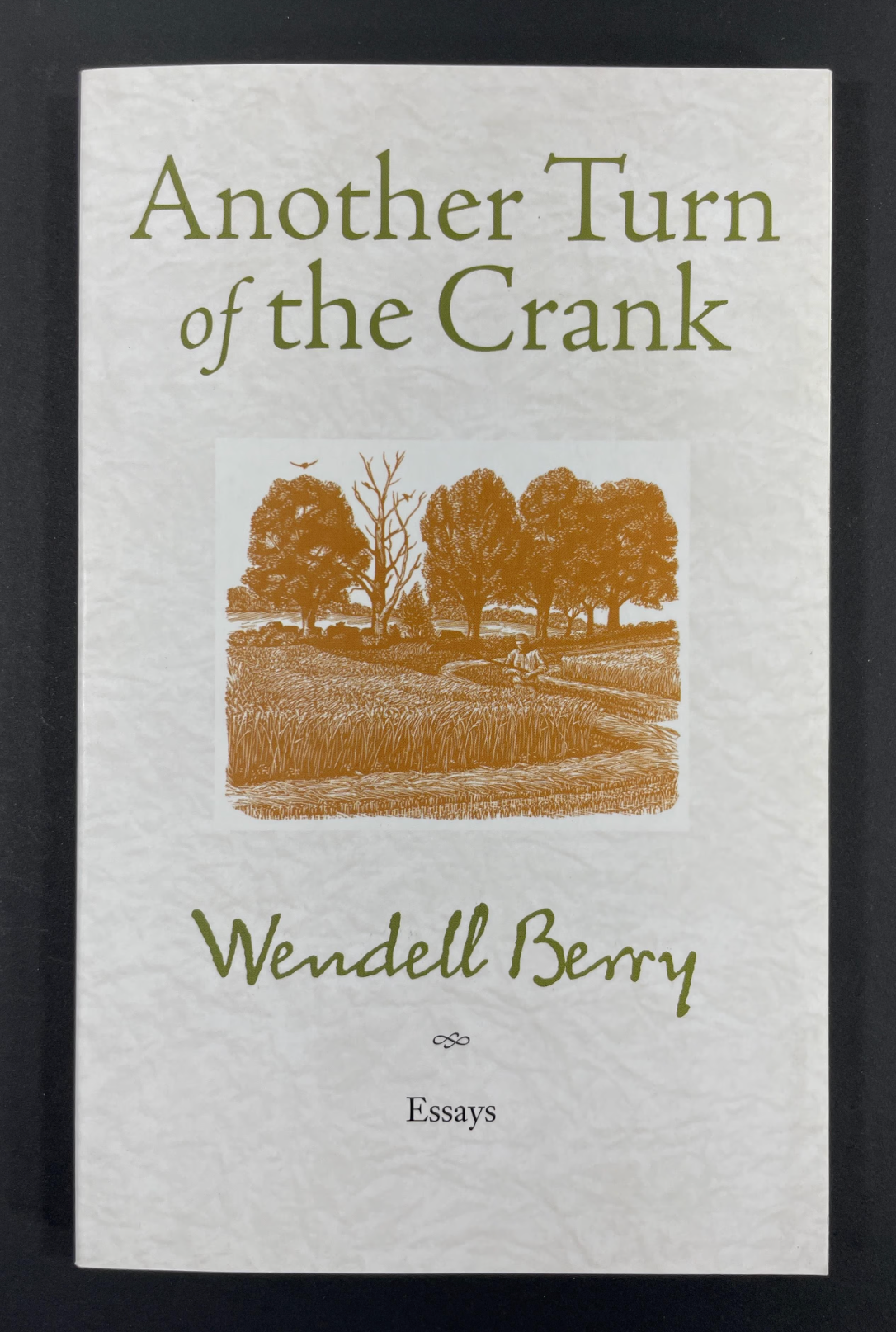
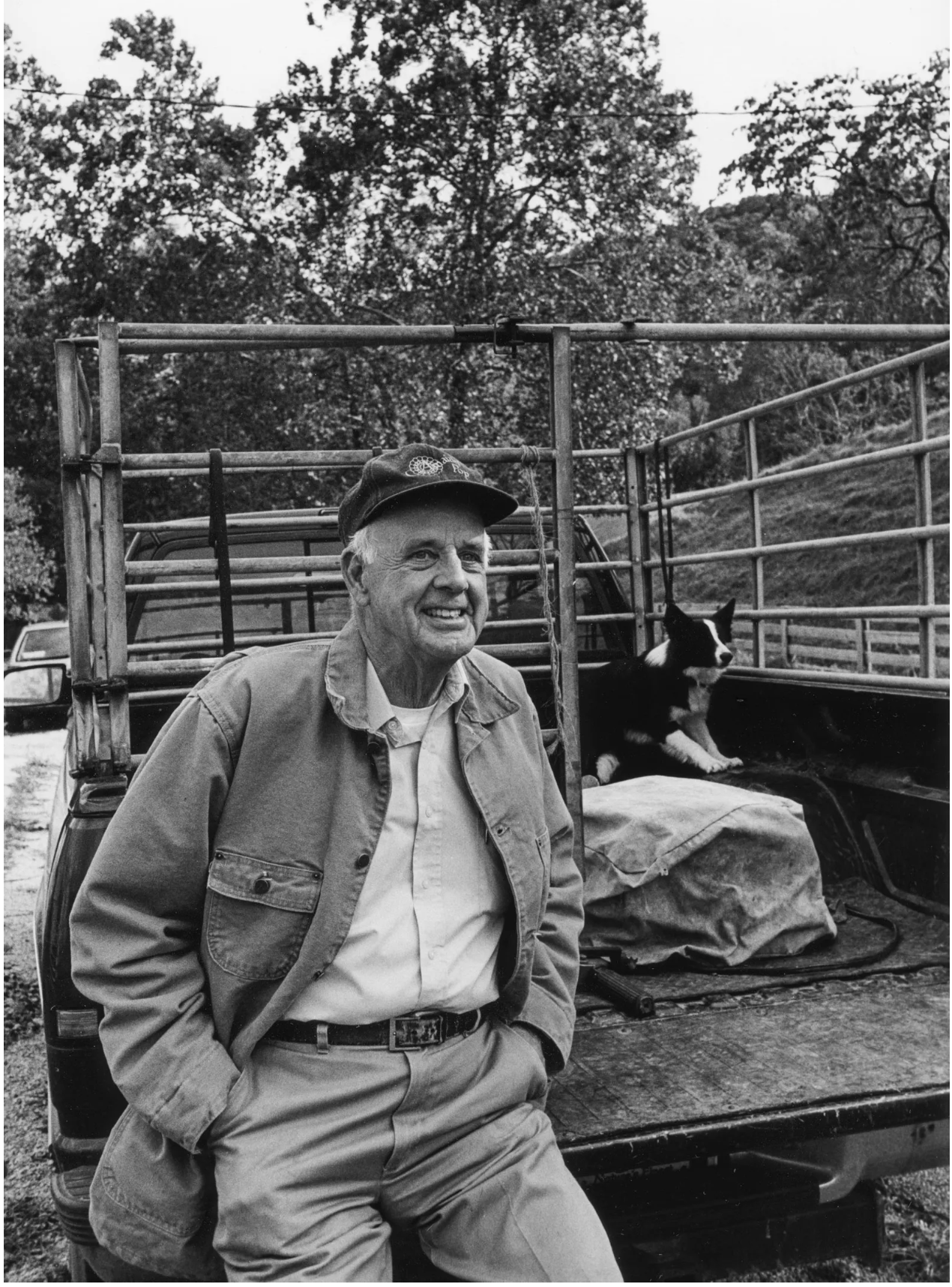
Wendell Berry died yesterday in his home in northern Kentucky. I was originally going to call this piece The Unsettling of America in reference (homage?) to one of Berry’s more incisive collections of essays on place and farming and community, but I settled upon this one. If you’re unfamiliar with his work, it’s not too late. Wendell Berry wrote at length about the perils of agribusiness, cultural, if not bio- homogeneity (to coin a word), and the loss of moral virtue. Even so, in despair, he would remember the peace of wild things. I think it was through his poetry that he found salvation.
The Peace of Wild Things
When despair for the world grows in me
and I wake in the night at the least sound
in fear of what my life and my children’s lives may be,
I go and lie down where the wood drake
rests in his beauty on the water, and the great heron feeds.
I come into the peace of wild things
who do not tax their lives with forethought
of grief. I come into the presence of still water.
And I feel above me the day-blind stars
waiting with their light. For a time
I rest in the grace of the world, and am free.
Wendell Berry (August 5, 1934 - August 31, 2026)
Poet, philosopher, and farmer. But not in that order - good, honest work informs one’s view of life and the world and the best poets I know either have calluses on their feet and hands or dirt beneath their fingernails. Usually both. Not that Wendell’s Berry view of life and the world was universal. My father and Wendell Berry went to the same church in central Kentucky and my father took issue with Berry’s demand that the University of Kentucky (Berry and my father’s alma mater) divest from the coal mining industry.
Berry argued that strip mining and mountain top removal had devastating effects on not just the land, air, and water, but upon the communities of Appalachia. (I’d also highly recommend Harry Caudill’s angry Night Comes to the Cumberlands; or if satire is your thing, Caudill’s short novel Lester’s Progress. Each was required reading in the Hardesty household growing up.) But Berry’s demand was not without teeth - his threat involved pulling his writings and papers from the University - and as the saying goes, it wasn’t a threat but a promise. The University of Kentucky refused to capitulate and - as my father liked to say - money talks and bullshit walks. In this case the “bullshit” was transferred from the University to the Kentucky Historical Society.
My father’s arguments were, I guess, class related. More than once, I can remember my father observing that “not everyone can be a hobby farmer; a gentleman farmer”. This perhaps was a bit of a rub to Berry’s perceived or real cushioned upbringing as the child of a well-to-do attorney in Louisville. I think what my father was getting at was that the regular people in Appalachia were concerned primarily with putting food on the table and didn’t have the opportunity to make choices about whether mining was good for the environment (or their health). It’s not that they didn’t care; it’s just that they couldn’t care.
All this I find interesting because I think my father and Wendell Berry shared a love for agriculture and farming and for writing and poetry. They both wanted the best for the Commonwealth of Kentucky. And, hell, they even looked alike. A tribute I wrote about my father a couple years back is called The Gardner. Now they’re both gone.